- Get link
- X
- Other Apps
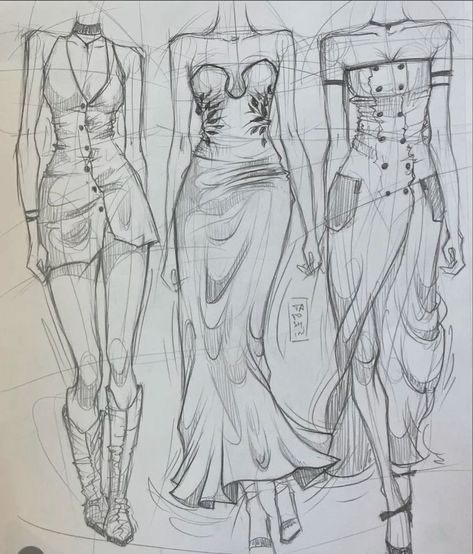
Textiles are the foundation of fashion design, playing a crucial role in determining the structure, function, and aesthetic of a garment. Selecting the right fabric is an intricate process that combines artistic vision with technical knowledge. Designers must consider factors such as texture, drape, durability, and sustainability when choosing materials, as these elements directly influence the final outcome of a design.
Understanding Fabric Types and Their Applications
Fabrics can be broadly categorized into natural and synthetic fibers, each with distinct properties that affect their performance in garment construction.
Natural Fibers: These include cotton, wool, silk, and linen. Cotton is breathable and versatile, making it ideal for everyday wear. Wool provides warmth and texture, commonly used in winter garments. Silk is luxurious and smooth, often favored for evening wear and delicate designs. Linen, with its lightweight and airy feel, is perfect for summer collections.
Synthetic Fibers: These include polyester, nylon, acrylic, and spandex. Polyester is durable and resistant to wrinkles, making it a practical choice for fast fashion. Nylon is strong and lightweight, often used in activewear. Acrylic mimics wool and is commonly found in knitwear, while spandex offers stretch and flexibility, essential for sportswear and fitted garments.
Blended fabrics combine both natural and synthetic fibers, balancing their strengths to create versatile and cost-effective materials.
Comments
Post a Comment